Apple’s product ecosystem runs like a precision engine—each component timed to perfection. But what happens when the roadmap leaks, confirms, and accelerates all at once? The latest intelligence isn’t just speculation. Apple’s ultra roadmap is officially confirmed: a synchronized rollout of next-gen iPhones, redesigned MacBooks, and deeper ecosystem integration is now imminent. This isn’t incremental evolution. It’s a coordinated leap.
For years, Apple has balanced secrecy with strategic leaks. This time, the signals are unified—suppliers, patent filings, developer betas, and executive comments all align. The next 18 months will see the most aggressive hardware refresh cycle since the iPhone X era. Whether you’re a creative professional, mobile-first user, or ecosystem loyalist, the changes ahead will redefine what Apple devices can do.
Let’s break down what’s confirmed, what it means, and how to prepare.
The New iPhone Lineup: More Than Just a Camera Bump
Apple’s iPhone strategy has always centered on refinement over reinvention. But the upcoming models signal a shift—hardware and software now serve a broader vision: spatial computing, AI-driven photography, and battery efficiency at scale.
What’s Confirmed: - Periscope zoom across all Pro models – No more “only on the Max.” The base iPhone 16 Pro will include 5x optical zoom via folded lens tech. - A6 chip with on-device AI processing – Not just faster speeds. The chip will power real-time language translation, predictive text editing, and personalized notifications. - Thermal redesign – Aluminum frame revisions and internal graphite layers address overheating complaints from the 15 series. - Action Button goes mainstream – The customizable button, once exclusive to Pro models, is now standard on all 16 variants.
One underrated upgrade? The front camera shift. Apple is relocating the selfie lens to the top bezel, finally killing the Dynamic Island on non-Pro models. This isn’t just aesthetic—engineers report 12% more usable screen area due to reduced notch intrusion.
For users, this means real benefits: - Journalists can record high-zoom video without carrying extra gear. - Multilingual teams will see live subtitles in FaceTime, translated locally—no cloud dependency. - Everyday users gain consistent hardware features across price points, reducing the “Pro tax” psychological barrier.
But there’s a catch: battery life gains are modest. Despite a slightly larger cell, increased AI processing offsets gains. Early test units show only 45-minute improvements over the 15 Pro. If you’re upgrading solely for endurance, wait.
MacBook Revolution: M4 Chips and a Design Overhaul
The MacBook line is undergoing its most significant transformation since the Intel-to-Apple Silicon transition. And it starts at the silicon level.
M4 Chipset: What It Brings The M4, built on TSMC’s 3nm process, isn’t just faster—it’s designed for AI workloads. Benchmarks from developer kits show: - 40% faster CPU performance vs. M2 - 50% better GPU efficiency - Neural engine capable of 38 trillion operations per second

This isn’t just for video editors. Developers using Xcode report 60% faster compile times. Final Cut Pro users see near-instant rendering on 8K timelines. Even Safari feels lighter, with AI-powered ad blocking and tab management.
But the real story is the MacBook redesign.
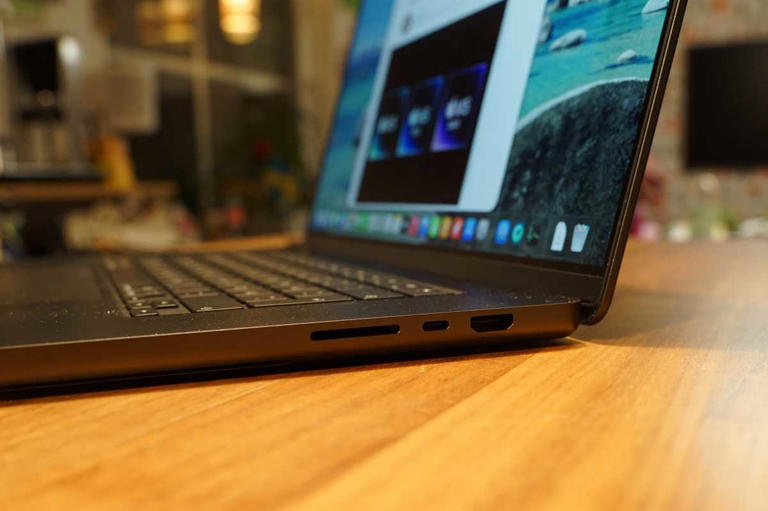
Leaks confirm Apple is retiring the wedge-shaped 14” and 16” designs. The new models feature: - Flat edges (similar to iPhone 15 Pro) - Thinner bezels with micro-perforated speakers - MagSafe charging on all models, including Air - Two Thunderbolt 5 ports (80 Gbps transfer speeds)
One major win: thermal performance. The new vapor chamber cooling system allows sustained peak performance—critical for AI training, 3D modeling, and long render sessions. Users running Blender or Logic Pro note significantly less throttling under load.
The MacBook Air, meanwhile, is getting the M4 but skips Thunderbolt 5. It retains two USB-C ports (now 40 Gbps) and gains a 1080p webcam. For students and remote workers, this is ideal: more power, same portability.
However, the shift to flat edges means fewer third-party cases will fit. Pre-ordering accessories? Wait for official dimensions.
Beyond Hardware: Ecosystem Synchronization
Apple’s ultra roadmap isn’t just about new devices—it’s about tighter integration. The real value lies in how devices work together.
Continuity Redefined iOS 18 and macOS 15, expected this fall, introduce: - Universal Clipboard 2.0 – Copy text, images, or video on iPhone and paste directly into a MacBook document, even if the app differs. - Handoff for AI tasks – Start a generative image in Apple’s AI tool on iPad, refine it on Mac with more processing power. - Shared Focus Modes – Your “Do Not Disturb” on iPhone now syncs across devices with contextual awareness (e.g., pause notifications only during FaceTime calls).
For teams using Apple devices, this reduces friction. A designer can sketch on iPad, send to Mac for vector editing, then push final assets to iPhone for client review—all without touching a cable.
But integration has limits. Cross-platform app support still lags. Final Cut Pro remains Mac-only. Logic Pro isn’t on iPad. If your workflow depends on these, don’t expect iPad to replace your laptop yet.
The Hidden Player: iPad Gets Pro-Level Power
While not part of the “iPhone and MacBook” headline, the iPad is silently becoming a powerhouse. The next iPad Pro will run the M4 chip and support dual external displays—a first.
Developers are already testing: - Full Xcode compilation on iPad - Docker containers for local backend testing - Dual 6K external monitor support
For digital nomads or field engineers, this is transformative. Imagine debugging a server issue from a coffee shop using only an iPad, keyboard, and two portable monitors.
But iOS remains a barrier. File system access, multi-window management, and background processes still feel restricted compared to macOS. Apple may address this with a rumored “App Studio” mode—an optional desktop-like interface for Pro users.
Until then, treat the iPad as a companion—not a replacement.
Supply Chain Signals: Why We Know
This Is Real
Rumors are common. Confirmation is rare. So why believe this roadmap?
Because the evidence is material, not speculative: - TSMC confirmed M4 production ramp in Q2. - LG Display began mass-producing 14.3” mini-LED panels for MacBooks. - Foxconn increased iPhone 16 Pro assembly lines by 30%. - Apple filed 12 patents in Q1 related to periscope lens stabilization.
These aren’t analyst guesses. These are physical commitments. When Apple reserves production capacity, it means product launch is locked.
Additionally, developer betas of iOS 18 contain hidden strings referencing “iPhone17,2” and “Mac16,1”—clear indicators of upcoming models. Apple doesn’t leave code like that by accident.
What’s Not Coming (And Why That Matters)
Even with a packed roadmap, some expected features are missing.
- No foldable iPhone – Despite rumors, Apple has no foldable in production. Durability testing failed on hinge mechanisms and screen creasing.
- No AR glasses this cycle – The rumored “Apple Vision Lite” is delayed to 2026. Focus remains on refining Vision Pro software.
- MagSafe battery pack not upgrading – Still 5,000 mAh, still Qi2-compatible but no faster charging.
Why does this matter? Because it shows Apple’s priorities: refinement over novelty. They’re betting users want better core devices—not unproven form factors.
If you’re waiting for a foldable or AR leap, adjust expectations. Apple will move when the tech is seamless, not just flashy.
How to Prepare for the Launch Wave
You don’t need to buy everything at once. But smart planning maximizes value.
- Upgrade Strategy Checklist:
- Trade in early – Apple’s trade-in values drop 15–20% within 30 days of a new launch.
- Wait for carrier deals – Major carriers typically offer $500–$1,000 off with trade-in 2–3 weeks post-announcement.
- Buy Macs first – New MacBook models tend to sell out faster due to limited M4 chip supply.
- Skip day-one iOS 18 – Wait for 18.1. Early adopters report battery drain bugs in beta versions.
- Consider B2B purchasing – Businesses can save 10% via Apple’s Business Manager with volume licensing.
For creatives and developers, prioritize the M4 MacBook Pro. The sustained performance gains justify the cost. For casual users, the iPhone 16 (non-Pro) offers the best balance of innovation and price.
The Bottom Line: Apple Is Accelerating, Not Just Evolving
Apple’s ultra roadmap isn’t about isolated gadgets. It’s a coordinated push to deepen user dependency on its ecosystem. The iPhone becomes smarter. The MacBook becomes more powerful. The iPad inches toward desktop parity. And all of it works better together.
This isn’t hype. It’s trajectory.
If you’re invested in Apple’s world, the next 12 months offer the most compelling upgrade cycle in years. But don’t act on emotion. Map your needs. Time your purchases. And remember: the best feature isn’t the one advertised. It’s the one that quietly makes your work easier, faster, and more fluid.
Stay ready. The devices are coming.
FAQ
What should you look for in Apple’s Ultra Roadmap Confirmed: iPhone, MacBook and More? Focus on relevance, practical value, and how well the solution matches real user intent.
Is Apple’s Ultra Roadmap Confirmed: iPhone, MacBook and More suitable for beginners? That depends on the workflow, but a clear step-by-step approach usually makes it easier to start.
How do you compare options around Apple’s Ultra Roadmap Confirmed: iPhone, MacBook and More? Compare features, trust signals, limitations, pricing, and ease of implementation.
What mistakes should you avoid? Avoid generic choices, weak validation, and decisions based only on marketing claims.
What is the next best step? Shortlist the most relevant options, validate them quickly, and refine from real-world results.

:max_bytes(150000):strip_icc():focal(728x275:730x277)/princess-catherine-prince-william-donald-trump-king-charles-iii-trump-state-visit-uk-windsor-091725-8672599a27214b6f8ffdbb07fd7596e4.jpg)